Salween Peace Park, KWO Call for Protection of Indigenous Midwives
Indigenous midwives providing crucial healthcare in conflict-affected Karen State must be protected and recognized, the Salween Peace Park Committee and the Karen Women’s Organisation (KWO) urged on the International Day of the World’s Indigenous Peoples.
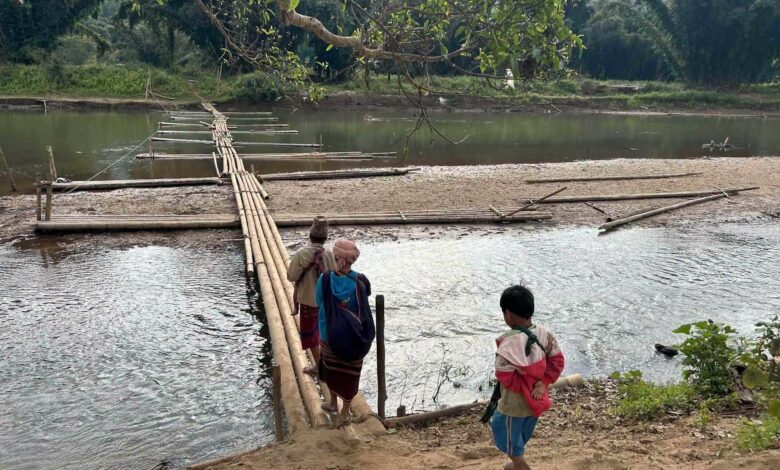
The joint call marked the international observance on August 9, held this year under the theme “Honoring Indigenous Midwives: Safeguarding Life and Well-being.”
Saw Paul Sein Twa, chairman of the Salween Peace Park Committee, highlighted the indispensable role these traditional birth attendants—known locally as let-thaes—play as frontline caregivers amidst widespread military conflict and displacement.
“When hospitals and clinics are forced to close, these midwives care for expectant mothers from pregnancy through childbirth and post-natal care,” Saw Paul Sein Twa said. “They keep working despite severe hardships, carrying out essential healthcare on the front lines. Their role is vital, and they deserve full recognition.”
Marking the occasion, the Salween Peace Park Committee issued five key recommendations to support Indigenous communities within the park.
The statement called for recognizing and empowering Indigenous midwives through midwife-led research, while ensuring their ancestral knowledge remains under community ownership. It stressed the need to equip and protect these frontline caregivers with essential medical supplies, safety protocols, and emergency referral support.
Furthermore, the committee urged establishing equal partnerships between traditional midwives and formal health workers while honoring Karen cultural traditions, such as the Day Por Htu practice.
The recommendations also highlighted the importance of protecting natural ecosystems—including forests, biodiversity, medicinal plants, and clean water—which form the foundation of Indigenous health.
Finally, it emphasized preserving traditional knowledge for future generations while preparing communities for the combined impacts of armed conflict and climate change.
Saw Paul Sein Twa emphasized the cultural significance of Day Por Htu (the umbilical-cord forest), a traditional practice where a newborn’s detached umbilical cord is placed in a bamboo tube and tied to a designated tree.
“The cord first connects the child to the mother, and this ceremony anchors the child’s lifelong connection to the forest and ancestral land,” he stated. “That tree is no longer mere timber—it carries life, history, and responsibility. Through Day Por Htu, every birth protects a tree and renews our bond with nature.”
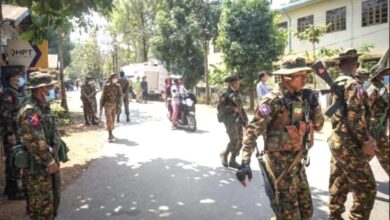
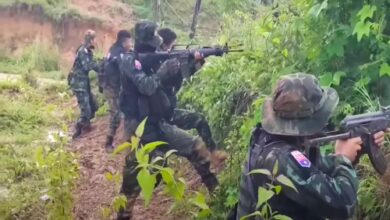
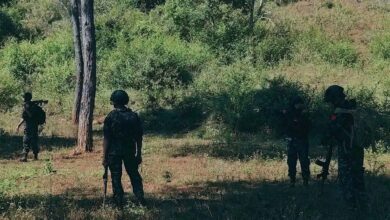
KWO Chairwoman Naw K’Nyaw Paw noted that ongoing military offensives have forced thousands of displaced mothers into remote jungle areas, leaving them almost entirely dependent on traditional midwives for maternal care.
“These midwives do not work for financial gain—they serve out of dedication to their communities,” Naw K’Nyaw Paw said. “Their expertise is not taught in formal schools; it is ancestral wisdom passed down through generations. It must be respected and valued.”
While traditional midwives continue their work across Kawthoolei, organizations such as KWO and the Karen Department of Health and Welfare (KDHW) provide them with training, basic equipment, and operational support.
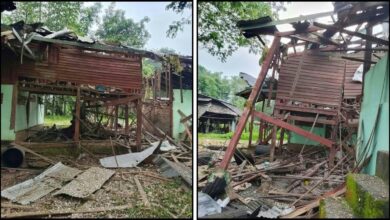
In its August 9 statement, the Salween Peace Park Committee also reported that a military junta airstrike struck a village within the Salween Peace Park on August 6—damaging homes and a monastery while killing and injuring civilians. The strike coincided with junta chief Min Aung Hlaing’s official visit to Thailand.